
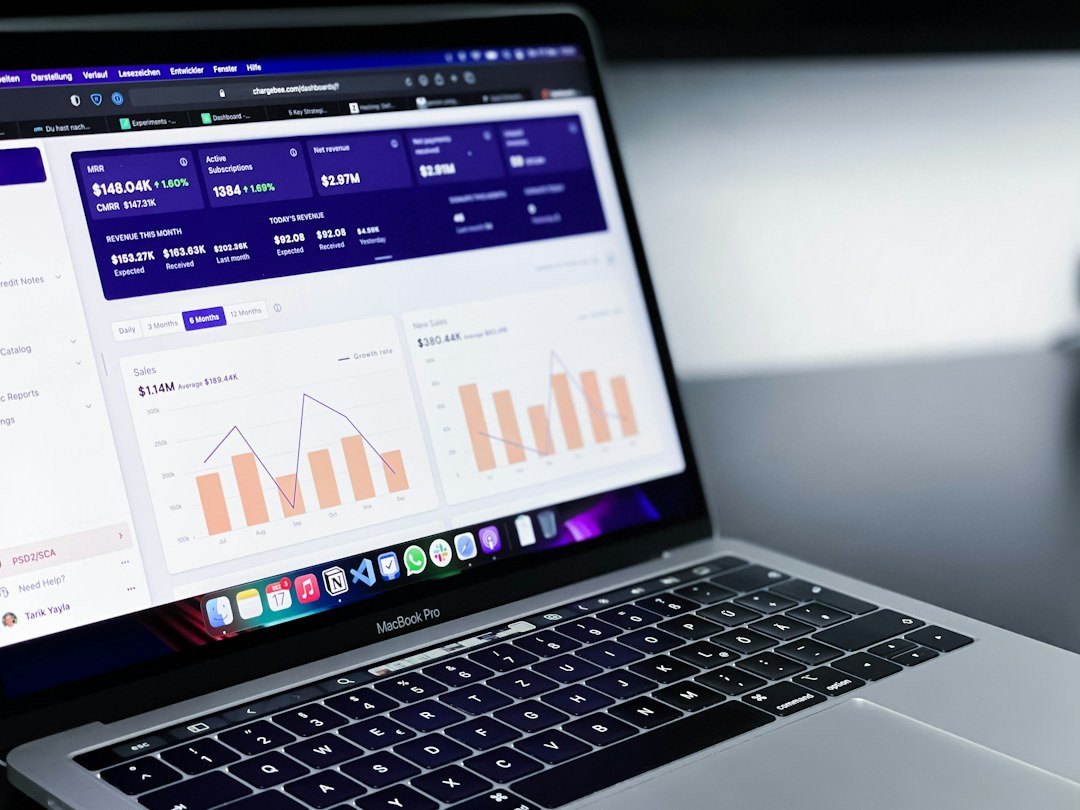
Business management software is a centralized system that unifies essential operational modules like accounting, project tracking, inventory, and customer relationship management into a single platform. Instead of forcing your team to switch constantly between disconnected applications, a unified business management software system connects daily workflows so leaders can make informed decisions based on real-time data.
Work does not have to feel like a tiresome chore when routine processes are automated. By replacing paper-based tasks and disconnected spreadsheets with integrated systems, organizations eliminate daily operational friction. Teams reduce their manual workloads, freeing up valuable time to focus on complex, high-value strategic goals.
Core Modules of Modern Management Platforms
A complete management solution is usually comprised of various modules necessary to run a business end to end. Unlike standalone applications, centralized dashboards bring departmental tools into cohesive ecosystems.
Here are the essential operational areas these systems handle:
- ●Financial operations: Connects directly to bank and credit card accounts, generates custom invoices, tracks daily expenses, and manages cash flow.
- ●Inventory tracking: Helps companies track stock movement, monitor product trends, and prevent overstocking or stockouts as sales grow.
- ●Reporting and analytics: Converts raw transaction data into decision-ready insights for strategic planning.
- ●Workflow management: Automates routine maintenance tasks, system updates, and internal approvals to cut down manual paperwork.
Top Business Platforms Compared
The best solutions offer distinct strengths tailored to different organizational needs. While platforms like Monday.com, Zoho One, and Asana excel in specific operational areas, choices like Barawave aim to provide complete solutions for expanding companies. Tools like Odoo serve companies ranging from early startups to large enterprises.
| Software | Primary Strength | Key Features & Ecosystem |
|---|---|---|
| QuickBooks | Financial Management | Bank account links, invoice creation, expense tracking, and inventory management. |
| Zoho One | Broad Operations | Covers CRM to HR; integrates with Google Workspace, Microsoft 365, and third-party apps. |
| Salesforce | Sophisticated CRM | Strong depth across sales, customer data, automation, and analytics. |
| ClickUp | Project & Task Management | Organizes complex projects, timelines, and team task assignments. |
| Gusto | Payroll & HR | Streamlines payroll execution, employee benefits, and HR administration. |
| Morningmate | Small Team Collaboration | Simplifies day-to-day project communication for smaller organizations. |
Real-World Scenario: Eliminating Daily Friction
Consider a growing product company that processes sales orders through email while managing warehouse inventory on a shared spreadsheet. When order volume increases, keeping stock numbers aligned manually becomes nearly impossible. Sales representatives end up selling items that are already out of stock, leading to shipping delays and unhappy customers.
Adopting an integrated BMS solution transforms this workflow entirely. When a customer places an order, the system automatically adjusts inventory levels, updates financial ledgers, and generates packing instructions for warehouse workers. Because data updates instantly across departments, administrative errors decline and teams spend far less time answering routine status inquiries.
How to Select the Right Solution
Cutting through marketing promises requires asking one simple question: where does your team feel the most friction? Identifying operational bottlenecks makes it easier to select features that solve immediate challenges.
Keep these practical tips in mind during your evaluation:
- ●Assess size and complexity: Match software features directly to your team structure, operational volume, and actual daily workload.
- ●Look beyond contact lists: Choose a CRM or management system that does more than store addresses, ensuring it offers robust reporting and process automation.
- ●Verify integration capability: Check that new platforms connect smoothly to your existing tools, such as email suites, payment gateways, or third-party apps.
The Shift Toward Agentic AI
The next generation of business management software moves beyond simple automated rules. Modern platforms are adopting agentic AI to act as central workspaces that link company knowledge, process documents, and operational data into one intelligent environment.
Instead of relying only on historical reports, business leaders can use advanced AI capabilities to:
- ●Model complex business scenarios based on real-time operational variables.
- ●Assess competitive threats and evaluate emerging market opportunities early.
- ●Monitor industry shifts and pinpoint emerging operational risks before they cause downtime.
Building your operational framework on unified platforms ensures your business stays flexible as market demands evolve. By selecting tools that resolve your primary friction points today, you set up your team for fast, evidence-based strategic decisions in the future.