The Template Trap: Why Your Business Might Need Something More Personal
Ever spent hours tweaking a “one size fits all” website theme only to realize it still doesn’t do exactly what you need? It is a frustrating spot to be in. You want a specific button to trigger a unique workflow, or maybe you need your inventory to talk to your CRM in a very specific way, but the template just says no.
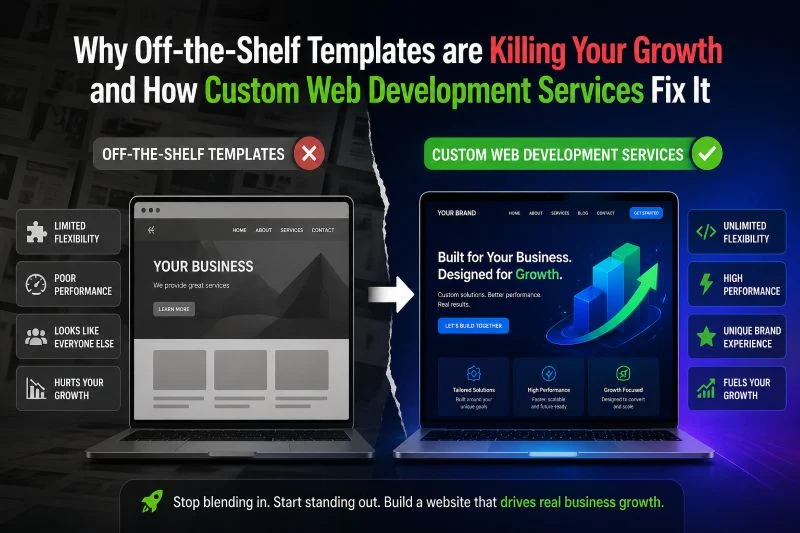
This is usually the moment business owners start looking into custom web development services. It is not just about having a pretty site. It is about building a tool that actually fits your hands instead of trying to change how you work to fit the software.
When “Standard” Just Doesn’t Cut It
I remember talking to a friend who ran a boutique logistics firm. He tried every “easy” website builder out there. On the surface, they looked great. But the moment he needed a custom calculator for international shipping rates that factored in real time fuel surcharges, the “easy” builders broke.
He was losing hours every day doing manual entries because his website couldn’t handle his specific logic. That is the hidden cost of staying generic. When you invest in a custom web development service, you are essentially buying back your time. You are building a system that follows your rules, not the limitations of a $50 plugin.
The Power of Custom Web Application Development Services
Sometimes, a simple website isn’t enough. You might need something more robust, like a dashboard for your clients or a private portal for your team. This is where custom web application development services come into play.
Think of it like the difference between buying a suit off the rack and getting one tailored. Sure, the rack suit covers you up, but the tailored one makes you feel like a million bucks and allows you to move freely.
-
Security: Custom code is less of a target for automated bot attacks compared to popular platforms.
-
Scalability: You can add features as you grow without worrying about breaking a fragile ecosystem of third-party add-ons.
-
Performance: You only load the code you actually need, which keeps things fast for your users.
Does your current site feel like it is holding you back or pushing you forward?
Avoiding the Common Pitfalls of Custom Projects
If you decide to go custom, don’t just jump at the lowest bid. I have seen too many people get burned by developers who over-promise and under-deliver. The biggest mistake is not having a clear map of what “success” looks like before the first line of code is written.
You need a partner who asks about your business goals, not just your favorite colors. A good developer will often tell you “no” to a feature if they think it won’t actually help your bottom line. That honesty is worth its weight in gold.
Making the Shift to Custom
It can feel like a big leap to move away from the comfort of pre-made templates. The initial cost is higher, and it takes longer to launch. But look at it this way: how much is it costing you to have a website that doesn’t fully represent your brand or automate your boring tasks?
In my experience, the businesses that thrive are the ones that own their tech stack. They aren’t at the mercy of a platform’s sudden price hike or a template designer who stops providing updates.
Building something unique is an investment in your own digital real estate. It is about creating an experience that your customers will actually remember, rather than another forgettable page in a sea of sameness. If you are tired of fighting with your software, it might be time to see what a dedicated team can build specifically for you.
Don’t Forget Where Your Code Lives
A great custom site still needs a solid foundation, and that means choosing the right hosting. Many people make the mistake of spending money on a custom build and then putting it on a $5 shared hosting plan. It is like putting a Ferrari engine inside a lawnmower.
If you are targeting a specific market, like the UAE, local hosting is a game changer. It reduces latency, meaning your pages load almost instantly for people in that region. Custom web development services often include setting up a hosting environment that is tuned specifically for your app’s requirements, rather than a generic setup that slows you down.